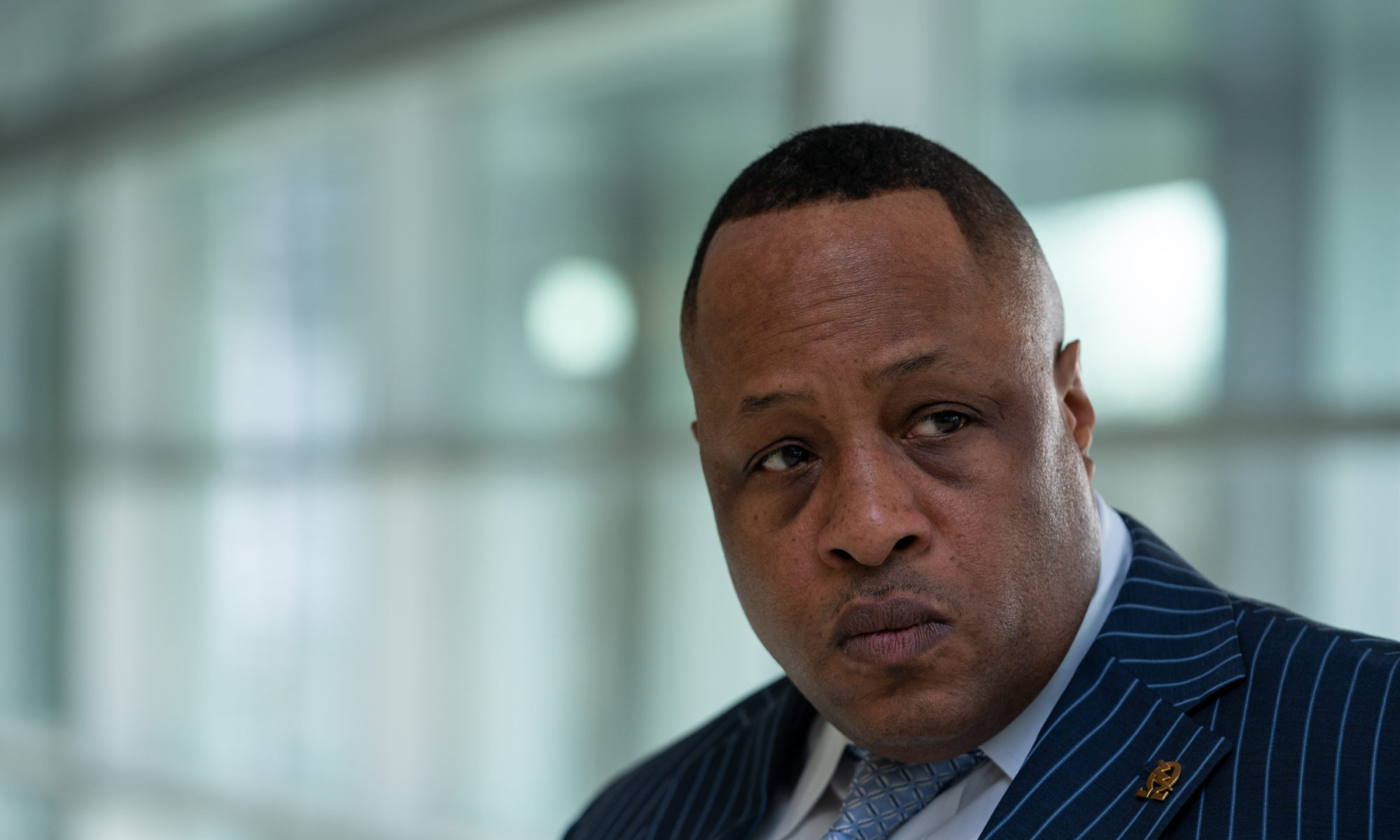
Dr. Washington’s research focuses on civic engagement, community organizing, empowerment, and educational policies. He studies processes that enhance oppressed people’s and organizations’ ability to take actions to benefit the groups and communities to which they belong. Much of this work takes place alongside community and youth organizing efforts and community-driven health promotion initiatives. An overarching goal is to identify the mechanisms – at multiple levels of analysis – that account for links between engagement in empowerment processes and community-based nonprofit organizations. Dr. Washington’s background is primarily in the nonprofit and public sector (community engagement, youth development, and education reform), but he applies concepts from multiple social science disciplines and uses multiple methods to understand and inform community-driven efforts to improve systems of inequity. Consequently, he also engages in applied fields such as community development and organizational leadership. He currently serves on several community-based nonprofit boards.
As a response to his research on urban public-schools, Dr. Washington theorized a concept called the cloak of racial oppression theory which challenges the notion that Black men lack educational value as illustrated by school systems unfair treatment of them and grounds its conceptual framework in the idea that the Black man possess unique skills that if channeled properly can be and has been influential on a global scale.
This theory describes the burden of racism to point out the disparities that Black men face in urban public-schools, but also to identify an approach to overcoming the setbacks, specifically in educational institutions. The cloak of racial oppression theory is grounded in the realities of injustice specifically toward Black men. The cloak of racial oppression theory accepts that inequities exist but also challenges the notion of those racial barriers as perhaps a minor setback for a major triumph. Through unobtrusive measures like observations, interviews and lived experiences, Dr. Washington was able to provide a lens into the ways in which Black men internalize the burden of racism in K-12 schooling and explains how racial microaggressions effect their progress.
At the University of Wisconsin–Oshkosh, Dr. Washington is an Assistant Professor in the School of Education and Human Services Leadership. He is also a lecturer at Morehouse College in the school of educational studies.